A Yard Full of Heavy Steel
There is a particular look to a towing yard at first light. Rotators sit lined up under cover, wreckers in the 25- and 50-ton range face the gate, and the trailers (lowboys, Landolls, rollbacks, RGNs) are spread across acres of staging. An I-35 heavy transport job that goes well usually starts with a hard look at which piece of iron leaves the yard. The right combination of truck, trailer, and recovery gear is the foundation of any plan that holds up under real conditions.
Heavy transport planning is mainly about routes and permits, yes. It is also about matching the equipment to the job, since the wrong choice on day one ripples through every other decision later.
The Tractor Decision
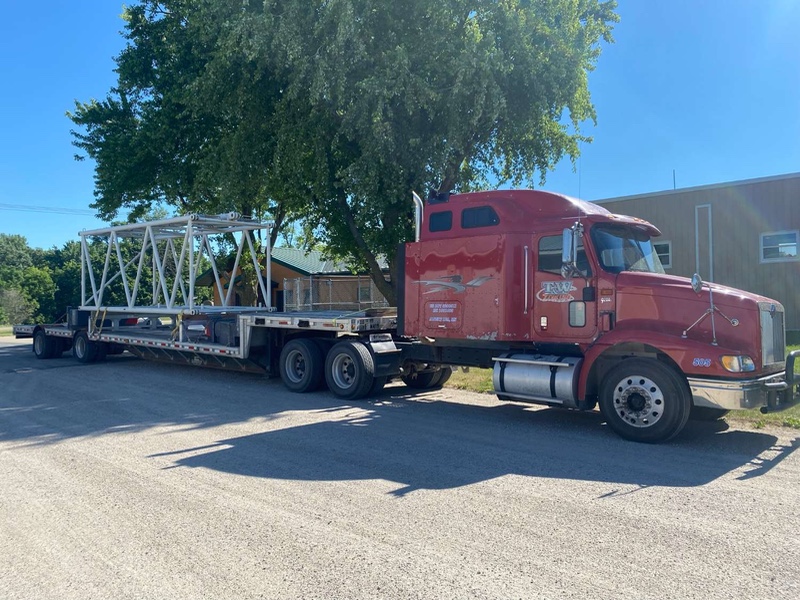
Not every heavy load needs the biggest tractor on the lot. A 25,000-pound piece of equipment paired with a step deck rides fine behind a Class 8 daycab, while a 90,000-pound load behind a lowboy may need a tri-drive tractor with extra horsepower for hill climbs. Planners size the tractor to the actual load and the route grade, not to the maximum the carrier can field.
Engine size, transmission gearing, and rear axle ratio all factor in. A run across rolling terrain needs different gearing than a mostly flat haul. Carriers that maintain a varied tractor fleet have more flexibility to match the truck to the trip.
The Trailer Question
The trailer determines what the load looks like on the road. Common heavy haul trailers include:
- Flatbeds and step decks for standard heavy cargo
- Lowboys for tall loads that need extra deck clearance
- RGNs (removable goosenecks) for self-propelled equipment
- Landolls and slide-axle trailers for awkward or low-clearance pickups
- Multi-axle stretch trailers for very long or very heavy loads
- Schnabel trailers for the largest industrial loads
A run carrying an industrial transformer may need a multi-axle stretch trailer with steerable rear dollies. The same carrier may use a step deck for an excavator the next day. Trailer choice usually carries more weight in the plan than the tractor itself.
Loading and Unloading Hardware
Hooks, chains, straps, and ramps are not exciting parts of the plan, and they decide if the load arrives intact. A solid loading kit includes corner guards to protect the load from chains, edge protectors for the trailer deck, and graduated straps for various weight ratings. Anything that touches the cargo also touches the carrier’s reputation.
Drivers walk through the loading and securement plan with the customer before any equipment moves. A piece of construction equipment with a ROPS frame straps differently than a transformer on a cradle. An experienced I-35 heavy transport crew documents those differences for the next trip.
When Something Goes Sideways: Recovery Gear
Even a well-planned I-35 heavy transport can encounter trouble. A blown tire on a multi-axle trailer, a shifted load that needs restrapping, or an off-road slide all require recovery gear separate from the towing kit. Carriers that handle their own recoveries do not lose a day waiting for outside help.
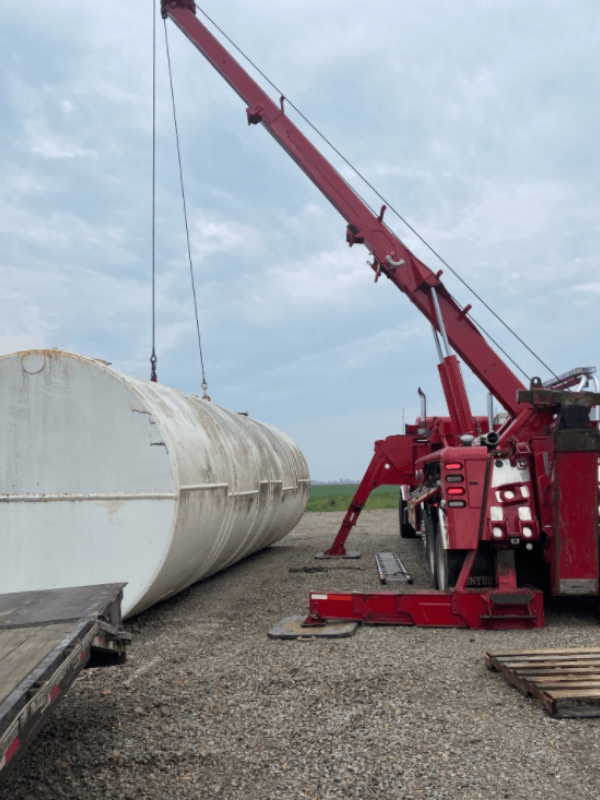
Rotators with side-pullers, air cushion systems for righting overturned rigs, and heavy duty wreckers all extend what a carrier can do without subcontracting. An I-35 heavy transport crew with full recovery capability also handles its own roadside problems, which keeps schedules cleaner over time.
T&W Towing: I-35 Heavy Transport that Delivers
At T&W Towing, every I-35 heavy transport call benefits from a fleet of nearly 30 pieces of equipment, including the area’s only Air Cushion Recovery System, a 5-winched Rotator with Side-Puller, and wreckers ranging from 8 to 50 tons. From our Albert Lea headquarters, we run rollbacks, Landolls, Lowboys, off-road recovery tools, and a full-service heavy duty truck repair shop.
If you have an I-35 heavy transport on the calendar or a heavy load that needs to move across the region, our crew is ready to plan the trip and bring the right iron to make it happen. We have been doing this since one wrecker on Main Street, and we still treat every customer like the relationship matters most.
Frequently Asked Questions
What is an Air Cushion Recovery System and when is it used?
An Air Cushion Recovery System uses high-pressure air bags placed under an overturned tractor or trailer to lift the rig back upright with minimal added damage. The technology spreads force across a wide area, which is gentler on the chassis than chain-and-winch methods. It is reserved for rollovers, accidents, and other recovery scenarios.
What does a wrecker’s tonnage rating actually mean?
A wrecker’s tonnage rating describes how much weight it can lift or tow under its rated conditions, expressed in tons. A 25-ton wrecker can handle medium-duty trucks and box trucks, while a 50-ton wrecker handles loaded semis and large equipment. The rating accounts for the boom, the winch, and the truck’s own counterweight.
Why would a carrier choose a Landoll trailer over a lowboy?
A Landoll trailer tilts and slides back to the ground, which lets a non-running vehicle or piece of equipment be loaded without a ramp or a crane. Lowboys offer a lower deck height for tall cargo but need ramps or assistance to load. Carriers pick based on what the cargo can do under its own power.
What is a Schnabel trailer and what does it carry?
A Schnabel trailer is built to carry the heaviest industrial cargo, usually electrical transformers and generator rotors weighing several hundred thousand pounds. The trailer clamps directly to the load itself, which becomes part of the structural connection between the front and rear suspensions. These hauls require multi-state coordination and police escort.
How is HAZMAT freight handled differently in heavy transport?
Hazardous materials hauls require placarded trailers, special driver endorsements, and strict route restrictions. Some tunnels, bridges, and metro areas prohibit certain hazardous classes entirely. Carriers running HAZMAT carry detailed documentation and respond differently to roadside incidents. Customers should disclose HAZMAT classification at booking.
How long does heavy haul equipment typically stay in service?
With good maintenance, heavy duty wreckers and tractor units commonly run for 15 to 20 years before retirement. Trailers can last even longer with regular deck and brake work. Carriers that maintain a fleet well often have wreckers from multiple decades still earning their keep, which keeps fleet diversity high.