Fender Bender, First Things First
A crash on I-35 may not slow down the rest of the road. The corridor stays live, the driver is in an exposed position, and the clock starts immediately. I-35 accident recovery begins at dispatch, not at the scene. Our team gathers vehicle type, lane position, and incident details before any unit rolls. Operators arrive with the right equipment and a confirmed plan.
Getting the wrong configuration to a crash is not just a delay. It can turn a manageable job into a longer and more complicated one. Our dispatchers ask targeted questions before any unit goes out. Matching the call to the right equipment before departure is what keeps a difficult situation from getting worse.
Scene Control: What Has to Happen Before Any Recovery Starts
A highway crash is a live hazard from the moment the recovery truck arrives. Warning lights go up before any operator steps out of the cab. The truck positions as a barrier between the crew and active lanes. No rigging, no vehicle contact, and no operator exposure happens until that buffer is in place.
Why the Vehicle’s Position Determines the Whole Recovery Plan
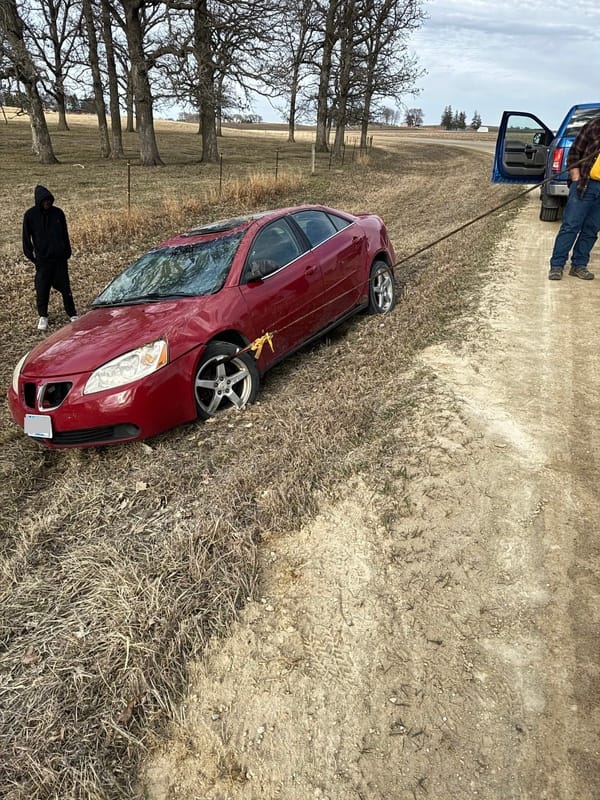
A vehicle that has rolled or gone off the shoulder needs a different approach than one upright in a lane. Our operators assess position, angle, terrain, and access before committing to any rigging. The Air Cushion Recovery System and our 5-winched Rotator with Side-Puller handle positions that standard wreckers cannot reach. Getting the approach right the first time prevents secondary damage and shortens time on scene.
Fleet Depth: Matching the Right Truck to What the Scene Requires
Active interstate crashes range from a single passenger car to a loaded commercial rig with cargo spread across the shoulder. Our fleet of nearly 30 units covers that full range. Wreckers from 8 to 50 tons, rotators, rollbacks, Landolls, and HAZMAT trucks are all available when the call demands them. The scene gets what it actually requires. Every I-35 accident recovery call gets the matched unit, not the nearest open truck.
How long a lane stays closed often depends on how prepared the crew was before they arrived. A well-matched unit running a clean, coordinated sequence gets traffic moving faster. That matters for the driver, for the motorists behind them, and for the agencies on scene. Our operators train specifically for I-35 accident recovery work and hold advanced certifications to back it up.
The First 10 Minutes: How a Prepared Crew Works Through It
Here is how a coordinated highway crash response typically runs:
- Recovery truck positioned as a lane buffer before any operator exits the cab
- Vehicle position, angle, and terrain assessed before rigging is selected
- Equipment confirmed at dispatch and staged before any hook-up
- Air cushion or rotator deployed for rolled or off-road vehicle positions
- HAZMAT resources staged when cargo or spill risk is confirmed
- Lanes cleared in coordinated sequence with responding agencies
T&W Towing: I-35 Accident Recovery Backed by Fleet Depth and Thorough Prep
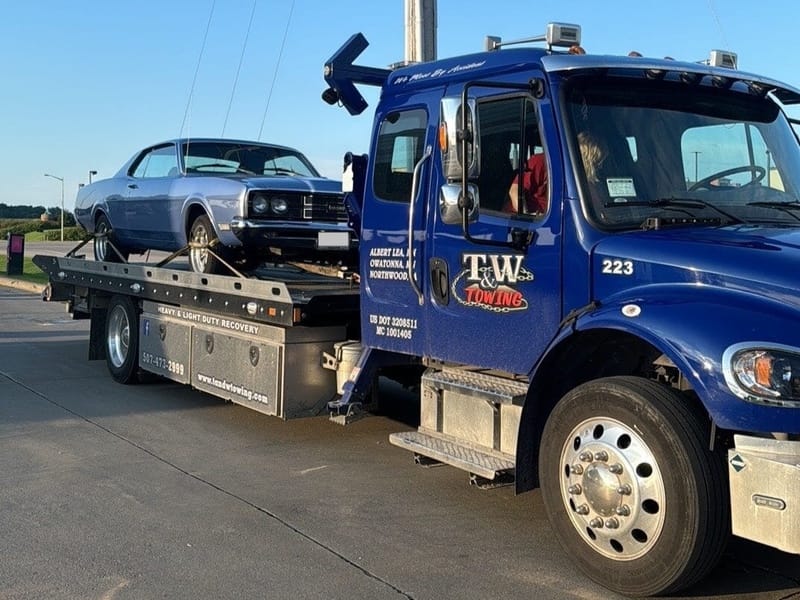
T&W Towing started with a single wrecker and a two-bay shop in Albert Lea. Our facility on Sorensen Road now runs nearly 30 units with on-site heavy-duty truck repair and 24/7 on-call staff. Every operator is background-checked, drug-tested, and certified for the calls that demand real experience and serious equipment. I-35 accident recovery gets the same standard we apply to every job on our board.
With locations in Albert Lea, Northwood, and Owatonna, we cover a wide region with fast response. Over 90% of our work comes directly from customers who know we will show up. I-35 accident recovery is a regular part of what we handle. Every call gets a crew that showed up ready. We run every I-35 accident recovery job the same way: right truck, right team, right plan.
FAQs
What should a driver do while waiting for a recovery truck on an interstate?
Stay in a protected area whenever possible and follow instructions from police or emergency personnel. Avoid standing near active traffic or attempting to inspect damage from the roadway.
Can a damaged commercial truck be moved before the cargo is checked?
Sometimes, but cargo condition can affect the recovery plan. Shifted, leaking, or unstable loads may need attention before the truck can be repositioned.
Why might a recovery crew close more than one lane?
Extra space may be needed for lifting, winching, debris removal, or equipment positioning. Temporary lane closures can also create a safer work zone around the damaged vehicle.
What happens if a truck leaves the pavement during a crash?
The crew will evaluate the slope, ground conditions, vehicle angle, and available access. Soft soil or steep terrain can change how the truck is stabilized and brought back toward the roadway.
Can recovery work begin before police finish investigating the crash?
That depends on the scene. Law enforcement may need photographs, measurements, or other documentation before allowing a vehicle to be moved.
Why does a towing dispatcher ask so many questions after a crash?
Each answer helps determine what equipment and crew may be needed. Good information at dispatch can reduce the chance of sending an unsuitable truck or having to bring additional equipment later.